Building Resilient IT Systems with Consulting
 April 28, 2026
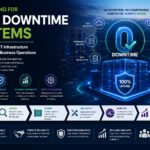
In an era where businesses rely heavily on digital infrastructure, system failures are no longer minor inconveniences—they can lead to revenue loss, operational disruption, and reputational damage. From cyberattacks and server outages to data loss and unexpected traffic spikes, organizations face constant risks. This makes IT resilience a top priority. Building resilient IT systems requires more than just strong hardware or software; it demands a strategic, well-architected approach. This is where IT consulting plays a crucial role. At CVDragon IT Consulting, we help organizations design and implement resilient IT systems that ensure continuity, security, and long-term stability.
IT resilience refers to the ability of systems to withstand, adapt to, and recover from disruptions while maintaining business operations. A resilient system does not just prevent failures—it ensures that even when failures occur, the impact is minimal and recovery is fast. This capability is essential for maintaining customer trust, ensuring compliance, and supporting business growth.
The first step in building resilient IT systems is risk assessment and vulnerability analysis. Organizations must understand potential threats, including hardware failures, cyberattacks, network outages, and human errors. IT consultants conduct detailed risk assessments to identify weak points in infrastructure, applications, and processes. This proactive approach allows businesses to address vulnerabilities before they become critical issues.
One of the key pillars of IT resilience is robust infrastructure design. Modern systems are built with redundancy and failover mechanisms to ensure continuous operation. IT consultants design architectures that include backup servers, load balancing, and distributed systems. For example, using cloud platforms like Amazon Web Services or Microsoft Azure allows businesses to distribute workloads across multiple regions, reducing the risk of downtime.
Disaster recovery (DR) and business continuity planning (BCP) are essential components of resilience. IT consultants help organizations develop structured recovery plans that define how systems will be restored after a disruption. This includes setting recovery time objectives (RTO) and recovery point objectives (RPO), implementing backup solutions, and conducting regular testing. A well-prepared recovery plan ensures that operations can resume quickly with minimal data loss.
Cybersecurity is another critical aspect of resilient IT systems. With increasing cyber threats, organizations must protect their systems against breaches, ransomware, and unauthorized access. IT consultants implement security frameworks that include firewalls, intrusion detection systems, encryption, and identity management. A strong security posture not only prevents attacks but also ensures quick containment and recovery if an incident occurs.
Data resilience is equally important. Businesses rely on data for decision-making, operations, and customer interactions. IT consultants design data backup and replication strategies that ensure data is always available and protected. This may include real-time replication, cloud backups, and version control systems that allow quick restoration.
Another major factor in resilience is scalability and performance management. Systems must handle sudden increases in demand without crashing or slowing down. IT consultants implement auto-scaling mechanisms, performance monitoring tools, and optimized architectures to ensure consistent performance under varying loads. This is particularly important for e-commerce platforms, SaaS applications, and digital services.
Monitoring and proactive maintenance are essential for maintaining resilience. IT consultants deploy advanced monitoring tools that provide real-time insights into system health, network performance, and application behavior. These tools enable early detection of issues, allowing teams to resolve problems before they escalate into major failures.
Automation also plays a significant role in resilience. Automated systems can detect failures, trigger failover processes, and restore services without human intervention. This reduces downtime and ensures faster recovery. IT consultants implement automation tools for incident response, system updates, and backup management.
Another important element is change management. Frequent updates, patches, and system changes can introduce new risks if not managed properly. IT consultants establish structured change management processes that ensure all updates are tested, approved, and documented before deployment. This minimizes the risk of disruptions.
Vendor and infrastructure diversification is another strategy for resilience. Relying on a single vendor or system can create a single point of failure. IT consultants recommend multi-cloud strategies, hybrid environments, and diversified service providers to reduce dependency risks.
At CVDragon IT Consulting, our approach to building resilient IT systems includes:
- Assessment: Identifying risks, vulnerabilities, and system limitations
- Design: Creating scalable, secure, and redundant architectures
- Implementation: Deploying infrastructure, security, and monitoring tools
- Testing: Conducting disaster recovery drills and performance testing
- Optimization: Continuously improving system resilience and performance
Real-world examples highlight the importance of resilience. An online retail business experiencing high traffic during peak seasons can avoid downtime with scalable cloud infrastructure and load balancing. A financial services firm can protect sensitive data through strong encryption and backup strategies. These measures ensure uninterrupted operations even during challenging conditions.
Cost optimization is another benefit of resilience planning. While building resilient systems requires investment, it significantly reduces the financial impact of downtime, data loss, and security breaches. IT consultants help businesses balance cost and resilience by implementing efficient and scalable solutions.
In conclusion, building resilient IT systems is essential for business continuity, security, and growth. IT consultants play a vital role in designing, implementing, and maintaining systems that can withstand disruptions and recover بسرعة. At CVDragon IT Consulting, we help organizations create robust IT environments that ensure reliability, scalability, and long-term success.
Partner with CVDragon IT Consulting to build resilient IT systems that keep your business running—no matter what challenges arise.